

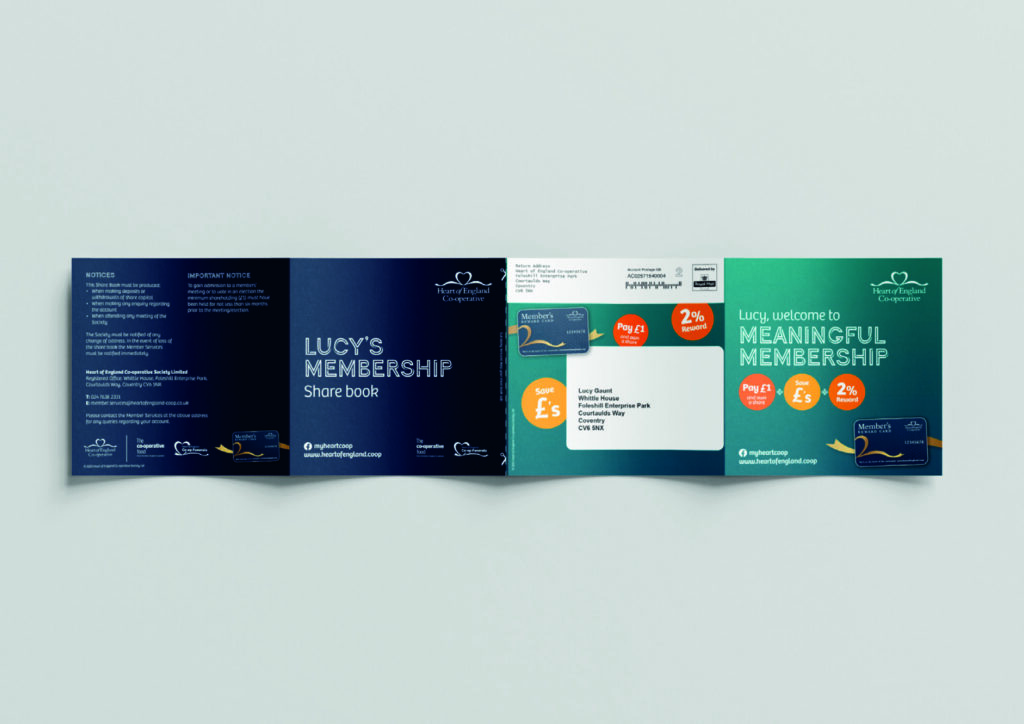
Reaching customers has become more complex as inboxes fill up and online advertising competes for attention. Some audiences actively avoid digital messages, others rarely engage with them, and many overlook them. Direct mail offers an alternative route for businesses to connect with people who are otherwise difficult to reach.
By delivering messages in a physical format, direct mail creates opportunities for engagement that digital channels often fall short of. It allows businesses to communicate more deliberately and with greater focus.
Understanding Hard-to-Engage Audiences
Hard-to-engage audiences are not defined by a single behaviour. They may include people who unsubscribe from emails, ignore online adverts, use ad blockers, or feel overwhelmed by digital communication. In some cases, they may prefer to review information offline or at a slower pace.
These audiences are often still open to communication, but they respond better when messages feel relevant, considered and easy to engage with. Direct mail supports this by offering a quieter, more personal way to share information.
Why Direct Mail Gains Attention
Direct mail stands out because it arrives in a different context. A printed item delivered through the post does not compete with notifications, alerts or scrolling. It receives attention simply by being physical.
For audiences who tune out digital messaging, this change in format can make a noticeable difference. Opening and handling a printed piece creates a moment of focus that allows the message to be absorbed more fully.
Using Targeted Data to Improve Relevance
Relevance is essential when engaging difficult-to-reach audiences. Accurate data allows businesses to focus their efforts rather than sending broad, generic messages. By segmenting audiences based on behaviour, location or previous interactions, direct mail can be tailored to suit specific needs.
Targeted messaging helps reduce resistance. When recipients feel a message relates to them, they are more likely to read it than to dismiss it. This relevance supports stronger engagement without increasing volume.
Personalisation Builds Trust
Personalised communication often feels more genuine. Addressing recipients directly and tailoring content to reflect their interests or history can help rebuild trust with audiences who have become disengaged.
Personalisation does not need to be complex. Even simple adjustments to content, format or tone can make a message feel more thoughtful. This care can encourage recipients to give the communication more time and consideration.
Print Quality Influences Response
The quality of printed materials plays an important role when engaging sceptical audiences. A poorly produced item may reinforce negative perceptions, while a well-finished piece can change expectations.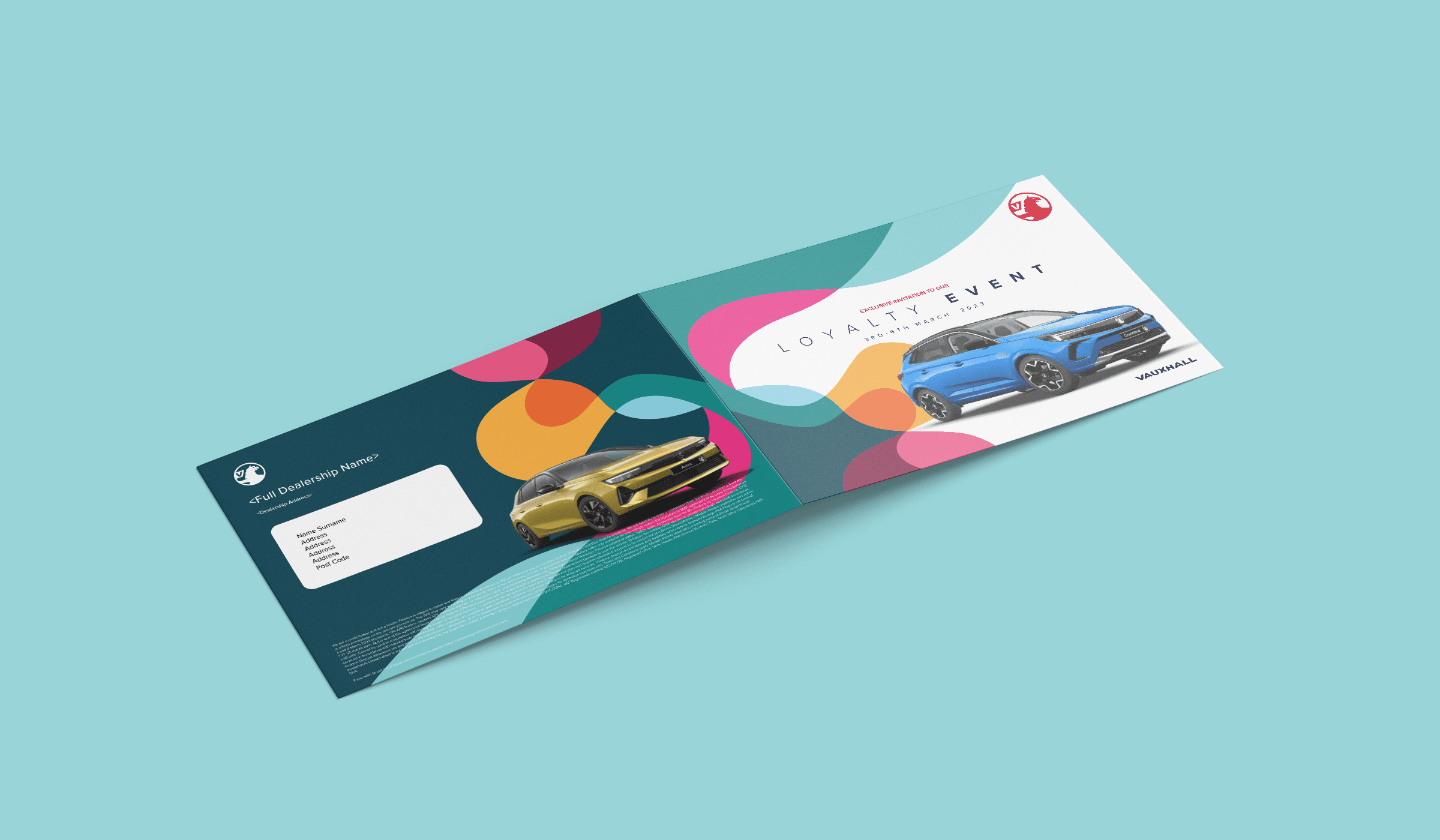
Clear layouts, good paper stock and accurate printing help convey reliability. For audiences who may already be cautious, these details help show that the message is worth attention.
Supporting Considered Decision Making
Hard-to-engage audiences often take longer to make decisions. Direct mail supports this by allowing information to be reviewed gradually. A printed piece can be kept, shared or revisited without pressure.
This slower pace suits audiences who prefer to think before responding. It also gives businesses a way to remain present without relying on repeated digital prompts.
Read more: Why Physical Marketing Materials Still Influence Buying Decisions
Combining Direct Mail With Other Channels
Direct mail often works best when it supports wider communication. While some audiences may initially ignore digital messages, a printed piece can introduce the message and make later digital contact feel more familiar.
This layered approach allows businesses to reach audiences through multiple channels without overwhelming them. The printed message provides context, and other channels support follow-up when interest has been established.
Read more: Why Marketing Campaigns Perform Better When Print and Digital Work Side by Side
Why Direct Mail Remains Effective
Direct mail continues to help businesses reach audiences that other channels struggle to engage. Its strength lies in focus, relevance and physical presence. When used with accurate data and careful presentation, it offers a dependable way to reconnect with people who might otherwise remain out of reach.
For businesses seeking to broaden engagement and improve response rates, direct mail remains a valuable part of a balanced communication strategy.
