


Businesses often rely on design to attract attention, but clarity plays a more crucial role in how information is understood. Clear information design focuses on structure, readability and presentation to help people absorb messages quickly and confidently. When communication is easy to follow, customers are more likely to trust the brand behind it.
Information design is about more than aesthetics. It brings order to complex ideas, allowing businesses to present details in a way that supports understanding. This makes it useful across printed materials, digital platforms and physical environments where clarity is essential.
The Purpose of Information Design
Information design helps organise content so that the reader can follow it without effort. It considers how people read, how they scan content and what they are likely to notice first. By arranging information in a logical structure, businesses can guide their audience through important points in a natural way.
This approach is particularly useful when communicating detailed content such as service explanations, instructions, data findings or product information. When the design supports the message, the audience can take in more detail with less work.
The Role of Layout and Structure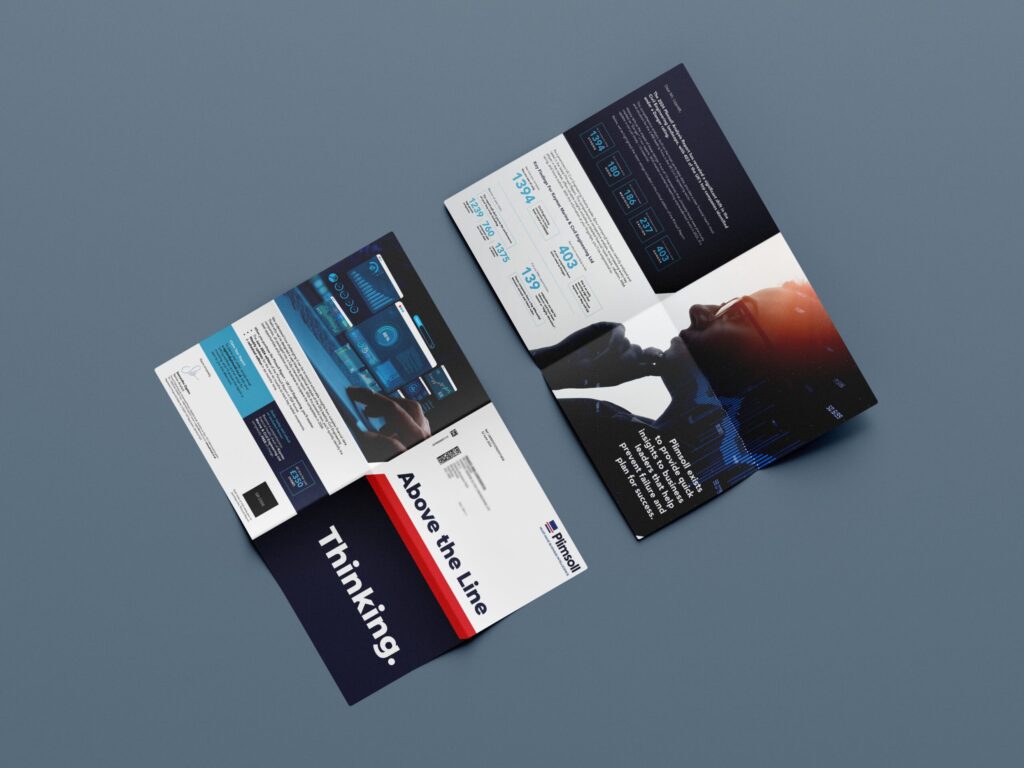
The layout of a page has a strong influence on how information is received. A balanced layout reduces visual clutter and encourages the reader to move through content confidently. Headings, subheadings and spacing help divide information into manageable sections, making it easier to understand.
A well-structured layout also supports different reading styles. Some people read every line carefully, while others skim for key points. By creating a clear structure, designers help both groups find the information they need without confusion.
Consistent placement of elements such as headings, images and callouts creates familiarity across multiple pages or documents. This consistency encourages trust and strengthens recognition.
Typography and Readability
Typography affects how easily content can be read. The typeface, size, spacing and weight all contribute to the overall clarity of a document. Good typographic choices help guide the reader’s eye and make important information stand out.
Readable typefaces are especially important for long documents, brochures, signage and online text. The aim is to create a comfortable reading experience that does not require the reader to strain or reread complicated sections. When typography supports clarity, the message becomes smoother and more approachable.
Using Visual Elements to Support Understanding
Images, icons, charts and diagrams can help explain ideas that are difficult to express through words alone. Visual elements should add value rather than distract from the message. When used carefully, they make information more memorable and easier to understand.
For example:
- Icons help guide attention towards specific features
- Charts can summarise data in a way that is quicker to understand than written descriptions
- Diagrams simplify processes that would be complex to explain in text
- Photographs add context and help establish the tone of the message
Visual elements become particularly useful when a business needs to communicate with varied audiences who may have different levels of familiarity with the topic.
Balancing Simplicity and Detail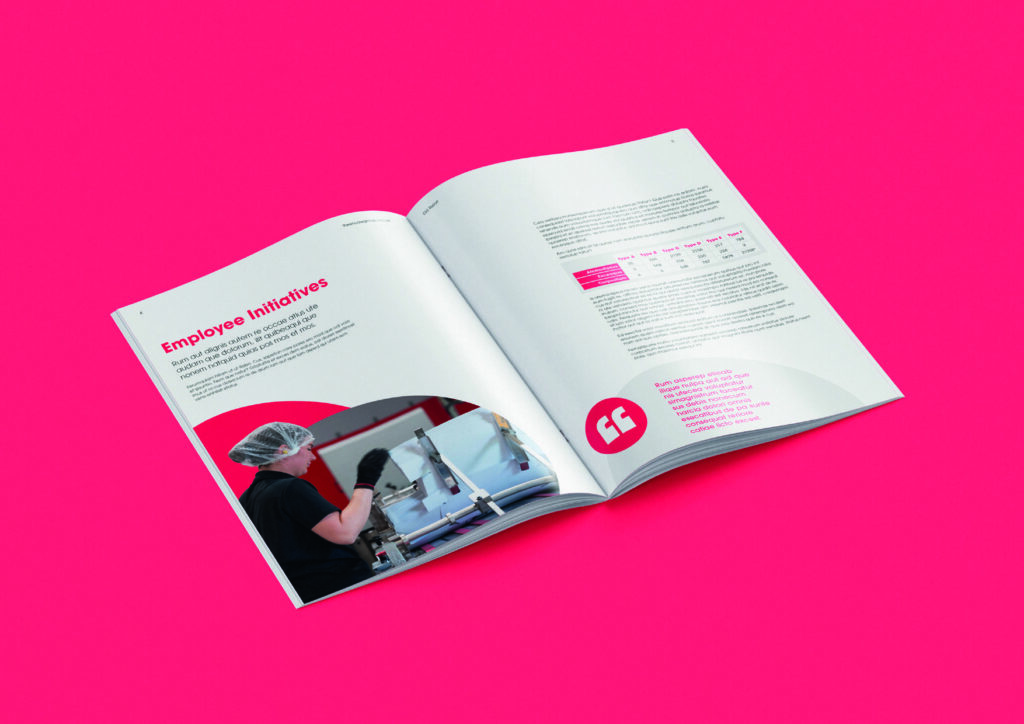
Clear information design does not mean removing detail. It means presenting the right amount of information in the right way. Some topics require depth, while others benefit from concise explanations. The aim is to balance the level of detail with the reader’s needs.
This balance also helps avoid overwhelming the audience. When content is too crowded or technical, readers are more likely to lose interest. Breaking information into sections, using supporting visuals and guiding the reader through each step helps maintain engagement.
Consistency Across Platforms
Information design is most effective when it is consistent across every channel. Printed brochures, digital content, presentations, emails and signage should follow the same principles. This creates a unified experience that reinforces trust and helps the audience recognise the brand instantly.
Consistency becomes even more important when businesses communicate across multiple locations or with large teams. When all materials follow the same structure and style, the brand feels organised and dependable.
Improving Communication Through Clarity
Clear information design helps businesses communicate with confidence. It removes barriers that may prevent customers from understanding important details and reduces the effort required to interpret complex information. When messages feel organised and well presented, audiences are more likely to stay engaged and respond positively.
By focusing on layout, typography, structure and visual support, businesses can create communication that feels professional, reliable and easy to follow. This approach strengthens understanding and helps messages reach their full potential.
