


Point-of-sale printing is most effective at the final stage of the customer journey. It sits in the physical space where browsing turns into buying. Because of that, where it is placed often matters as much as how it looks.
Retail environments are carefully structured. Aisles guide movement. Entrance areas introduce promotions. Counters create natural pause points. When point-of-sale printing is designed with that layout in mind, it feels purposeful and becomes more effective.
Strategic placement is not about filling empty space. It is about understanding how people move and making sure printed materials support that flow.
Understanding Natural Movement in Store
Most shoppers follow predictable patterns. Many turn right when entering. Most slow down near prominent displays. Eye-level areas receive more attention than lower shelves.
Point-of-sale printing should align with these habits. A well-placed shelf wobbler at eye level will be noticed more readily than a larger display placed out of view. Free-standing display units positioned at natural pause points create opportunities for engagement without forcing it.
When placement reflects real customer behaviour, printed materials feel integrated rather than intrusive.
Making the Most of Entrance Zones
The entrance area is often the first point of contact inside a store. It sets expectations and introduces current activity. Point-of-sale printing in this space should be clear and focused. 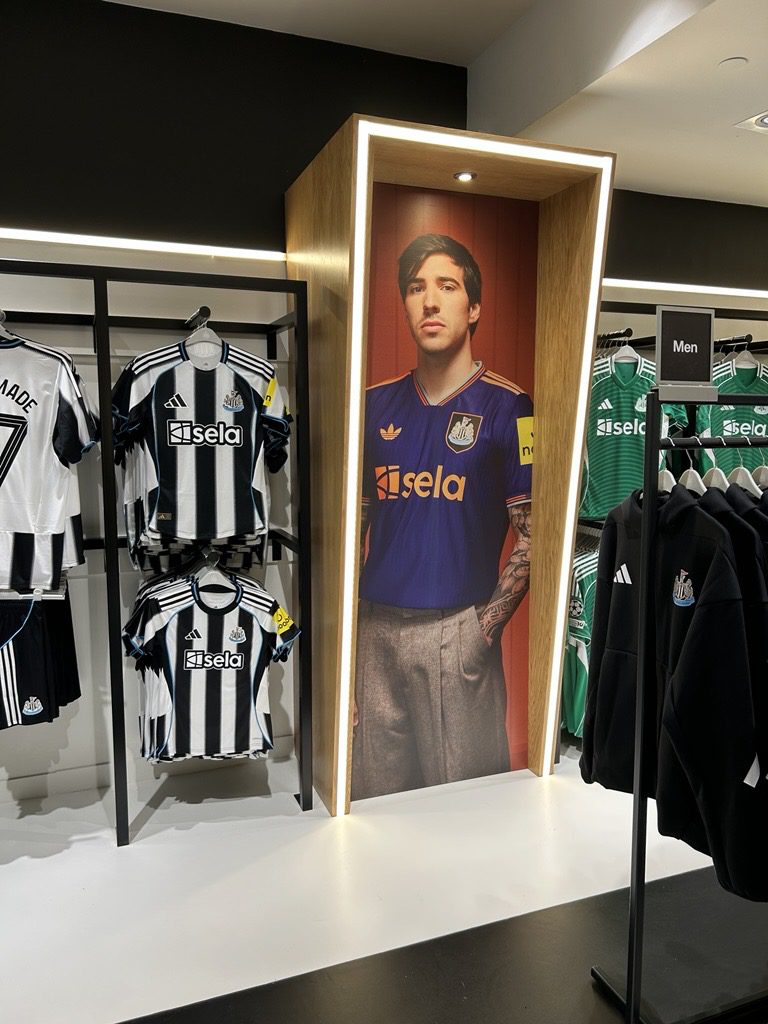
Overcrowding this zone with multiple messages reduces impact. A single, well-executed display can communicate more effectively than several competing signs. Strategic placement at the entrance helps establish campaign direction from the start.
Clarity in this area often influences how customers respond as they move further into the store.
Supporting Key Product Areas
Different parts of a store serve different purposes. Promotional end caps attract attention to featured ranges. Counters are suitable for smaller items. Window areas draw in footfall from outside.
Point-of-sale printing should align with each area’s purpose. Larger structural displays may work well in open floor space. Compact strut cards may be better suited to hospitality counters or reception desks.
Matching the format to the environment ensures the display feels appropriate and considered.
Working With Viewing Angles and Distance
Physical space shapes how messages are read. Ceiling height, lighting and aisle width all influence visibility. A message designed to be read from two metres away will not work if placed where customers stand closer than two metres.
Strategic placement considers sightlines. Displays should be positioned so they can be read comfortably without obstructing the view. Good placement supports readability and reduces confusion.
When printed materials are placed at the right height and distance, they communicate more clearly.
Avoiding Visual Clutter
Retail spaces are busy. Packaging, shelving and existing signage compete for attention. Adding too many printed elements can create clutter and reduce the effectiveness of each display.
Strategic placement involves restraint. It means identifying the most valuable positions and using them wisely. Point-of-sale printing works best when it has space to breathe.
A clear message in the right place will usually outperform multiple messages competing for attention.
Supporting Operational Practicality
Store teams need to quickly install and maintain displays. Materials that block access, create trip hazards or interfere with stock management are unlikely to remain in place.
Strategic placement also considers day-to-day operations. Displays should fit comfortably within the layout and allow staff to move around them easily. Practical positioning helps ensure point-of-sale printing remains intact and presentable throughout a campaign.
When placement works for both customers and staff, campaigns run more smoothly.
Why Placement Shapes Performance
Point-of-sale printing is most effective when it reflects how a store actually operates. Placement, proportion and practicality all influence how customers interact with promotional messaging.
By aligning printed materials with natural movement patterns and operational realities, retailers improve visibility without overwhelming the space. In well-planned environments, point-of-sale printing feels like part of the experience rather than an afterthought.
In the end, the right message in the right place will always have a greater impact than the right message placed poorly.
