

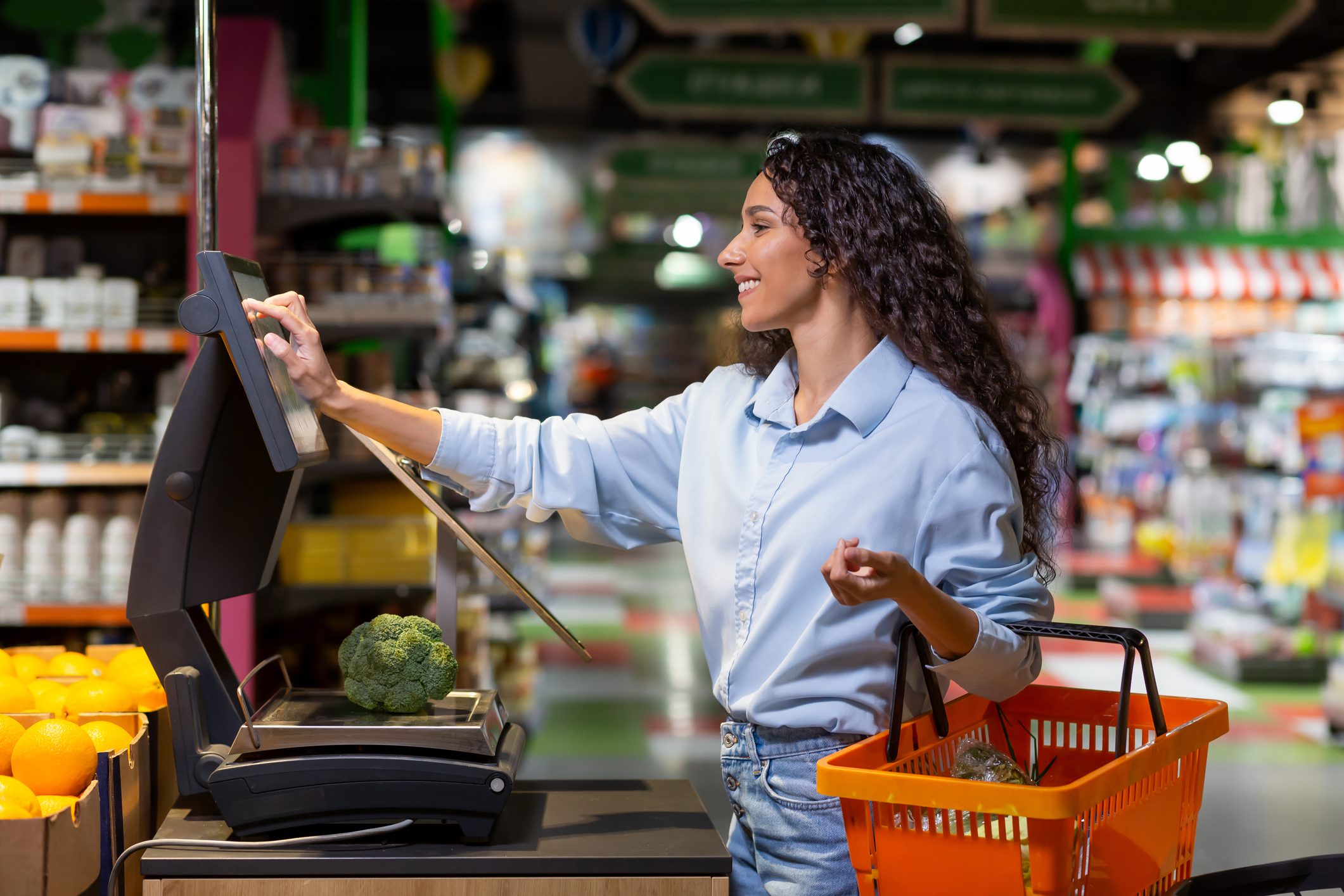
The in-store experience is arguably becoming less personal, as self-service checkouts and other, machine-based innovations become the norm. Yet, ‘personalisation’ is the order of the day for retail marketeers – so is there a conflict in priorities here? Could retailers be missing out on a trick by personalising self-service? By integrating personalisation into self-service solutions, retailers can enhance customer engagement and create a more tailored shopping experience. Moreover, embracing the importance of social responsibility in retail can further strengthen brand loyalty, as consumers increasingly favor businesses that align with their values. As technology continues to evolve, the challenge lies in finding the right balance between efficiency and a personal touch that resonates with socially conscious shoppers. By integrating technology with personalisation strategies in retail, businesses can enhance the self-service experience while still catering to individual customer preferences. This could involve data-driven insights that tailor promotions or product recommendations at self-checkout kiosks, bridging the gap between convenience and a personalised touch. Ultimately, the challenge lies in finding the right balance that maintains efficiency without sacrificing a meaningful connection with the consumer.
40% of consumers buy more from retailers who personalise the shopping experience across channels. Source: mybuys.com
RBR, a London-based strategic research and consulting firm, estimate that worldwide numbers of self-checkout terminals are projected to rise from 191,000 in 2013 to 325,000 by 2019.
Commonly, the reasons given for the prevalence of self-service machines in retail are two-fold: one, speeding up the checkout process for customers. Two, reducing staff costs. But what do customers think and how does an automated shopping process impact customer behaviour?
Nine in ten of us have used a self-service checkout, but opinion on them is divided. 90% of shoppers aged 18-39 found self-service checkouts easy to use, only 50% of those over 60 years said the same.
Interestingly, the shoppers that prefer self-service checkouts can get frustrated when the process updates and changes. For example, earlier this year Sainsbury’s made many of its checkouts card-only, resulting in many customer complaints:
And, the lack of humanisation has not gone unnoticed by shoppers either:
Unfriendly robot voices aside, the lack of personalisation in the process is actually a costly problem.
Preliminary work by researchers Kate Letheren and Paula Dootson suggests that customers are considerably more likely to steal from an automated machine or robot than when being served by a member of staff:
A study of 1 million transactions in the United Kingdom found losses incurred through self-service technology payment systems totalled 3.97% of stock, compared to just 1.47% otherwise – leaving us to wonder whether the staff savings that come from self-service cover the loss from theft.
To combat the problem, store and operations managers have begun taking the marketeer approach – making the self-service checkout process far more personalised to encourage empathy and morality from customers. For example, Nescafé implemented a more ‘human’ sales assistant that provided a more personal interactive experience, potentially resulting in increased feelings of empathy.
A ‘best-of-both’ approach?
Further, if 48% of consumers spend more when their experience is personalised, and 74% get frustrated when content has nothing to do with them, then perhaps making the in-store experience more personal will prove lucrative. By leveraging consumer data to tailor interactions, retailers can significantly enhance customer satisfaction and drive sales. Implementing personalised marketing strategies for success will not only foster loyalty but also create a more engaging shopping environment. Ultimately, these efforts can translate into higher conversion rates and increased customer retention.
Retail may well have reached the junction when it comes to pursuing automation and personalisation separately. Now might be the time for marketeers and retail managers to inject personalisation into all aspects of the shopping experience and reap the rewards in the form of increased revenues and a reduction in theft costs.
At AlphaGraphics, we specialise in helping retail businesses deliver personalised, automated marketing campaigns to improve lead generation. To find out more, visit: https://retail.alphagraphics.co.uk/our-services/
